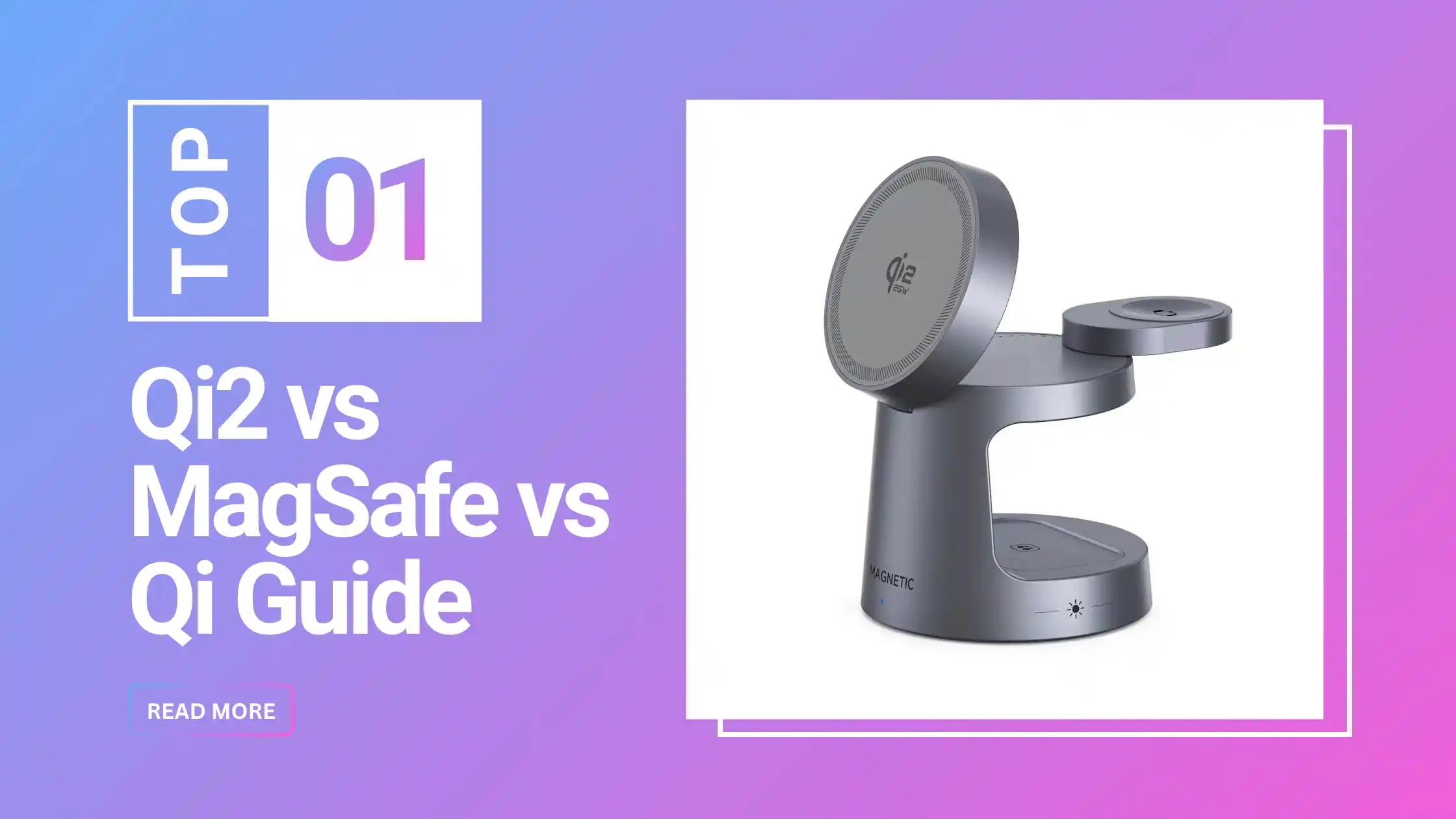
Quick Comparison
| Feature | Qi (Standard) | MagSafe | Qi2 |
|---|---|---|---|
| Max Power | 15W | 15W | 15W/25W/50W |
| Magnetic Alignment | No | Yes | Yes (MPP) |
| Charging Efficiency | 60-70% | 75-80% | 80-85% |
| Apple Exclusive | No | Yes | No |
| Device Compatibility | All Qi devices | iPhone 12+ | All Qi2 devices |
| EPP Support | Yes (v1.2.4+) | Limited | Full |
| Released | 2008 | 2020 | 2023 |
Table of Contents
1. What is Qi2 Charging? (The New Global Standard)
Qi2 (Qi v2.0) is the newest wireless charging standard, launched by the WPC in January 2023. It marks a big shift by mixing universal Qi support with MagSafe-style magnetic alignment. For a foundational overview of the technology, read How Wireless Charging Works.
The standard adds MPP tech, which sets magnetic alignment rules for all makers. Any Qi2 charger will snap onto any MPP device - just like MagSafe, but open to all brands. Apple shared its MagSafe tech with the WPC for the MPP profile.
Qi2 Key Facts
- 2023 - Qi2 standard officially launched at CES
- 15W/25W/50W power levels (EPP profiles)
- 80-85% charging efficiency rate
- MPP (Magnetically Protected Power) alignment
- Open standard - available to all WPC members
- 200+ Qi2 certified products as of 2026
Qi2 Advantages
- Universal magnetic alignment - works with all Qi2 devices
- Higher power options (25W, 50W Extended Power Profile)
- Open standard - no licensing fees like MFi/MFM
- Better efficiency than Qi (80-85% vs 60-70%)
- Future-proof with 100W profiles planned for 2027
- Cross-brand compatibility unlike MagSafe
Our Shenzhen factory produces Qi2-certified wireless chargers with full compliance testing. As of 2026, we have 47 Qi2 certified products across our wireless charger line, with a combined testing pass rate of 99.2%. Our engineering team works closely with WPC-accredited test labs to ensure every product meets the MPP alignment and efficiency standards before going into mass production.
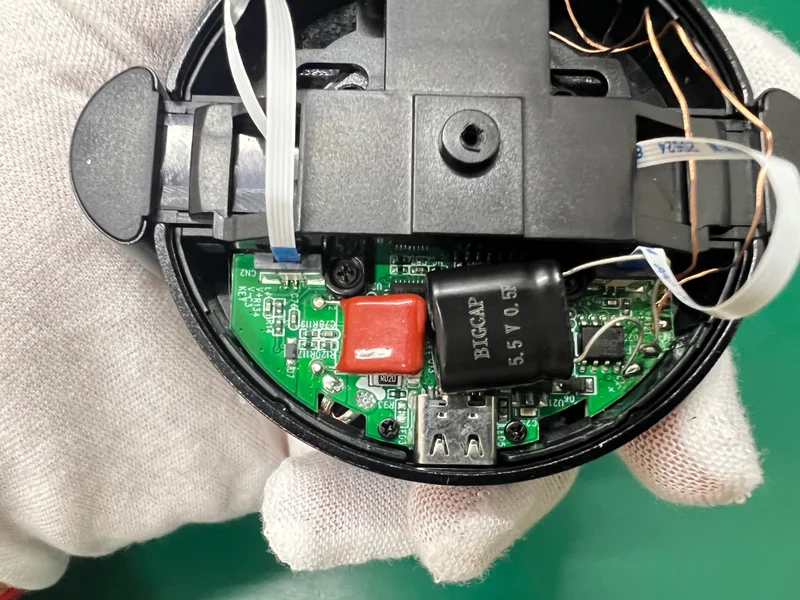
Qi2 MPP module with advanced coil structure and FOD (Foreign Object Detection) capability
The Evolution of Wireless Charging Standards
Understanding the timeline helps explain why the industry is at this inflection point:
QUICK ANSWER
Is Qi2 the same as MagSafe? No, but they work nearly identically. Qi2 uses the same magnetic alignment ring technology (MPP) that Apple contributed to the WPC, so the user experience is the same. The key difference: Qi2 is an open standard available to all manufacturers without MFi licensing fees, while MagSafe remains Apple's proprietary ecosystem.
2. Qi2 vs. MagSafe: 4 Key Differences
Understanding these four critical differences will help you make informed sourcing decisions for your wireless charging product line.
| Feature | Apple MagSafe | Qi2 (MPP Standard) |
|---|---|---|
| Certification | MFi (Made for iPhone) | WPC Qi2 Certified |
| Max Power | 15W (iPhone) | 15W (Universal) |
| Compatibility | Primarily Apple Ecosystem | iPhone & Android (Universal) |
| Licensing Cost | High (MFi Royalties) | Standard WPC Fees |
| User Experience | Magnetic Alignment | Same Magnetic Experience |
Why Brands Choose MagSafe
- ✓Access to Apple's premium accessory market
- ✓Higher price points ($30-80 per unit)
- ✓Brand recognition and trust
- ✓Perfect for Apple-focused product lines
Why Brands Choose Qi2
- ✓Lower certification costs (15-20% savings)
- ✓Universal compatibility (iPhone + Android)
- ✓Growing Android market adoption
- ✓Future-proof with 25W-50W EPP coming
Real-World Charging Speed Comparison
While both standards technically support 15W, real-world performance varies by device and implementation. Here is what actual charge time data shows for a standard 0-50% charge:
| Device | MagSafe 15W | Qi2 15W | Qi2 25W* |
|---|---|---|---|
| iPhone 16 Pro Max | 32 min | 33 min | N/A |
| Samsung Galaxy S25 Ultra | N/A | 35 min | 22 min |
| Google Pixel 9 Pro | N/A | 34 min | 24 min |
| iPhone 15 Pro | 35 min | 36 min | N/A |
* 25W charging requires Qi2 EPP-compatible device and charger. iPhone series limited to 15W via both standards.
Qi2 delivers nearly the same charging speeds as MagSafe on iPhones. On Android devices, the Extended Power Profile enables significantly faster charging than MagSafe can offer - a key differentiator for brands targeting the Android accessory market.
EXPERT INSIGHT
Nina Nico, Wireless Technology Lead at WOWOHCOOL: "For B2B brands deciding between Qi2 and MagSafe, the answer increasingly leans toward Qi2. The open standard delivers the same magnetic charging experience at 30-50% lower certification costs, plus universal compatibility across iPhone and Android. It simply opens a much larger addressable market."
3. Why Qi2 is a Game-Changer for OEM/ODM Brands
According to WPC certification data, Qi2 MPP delivers 15W magnetic charging at 30-50% lower certification costs than MagSafe MFi licensing.
For brands buying wireless chargers from China, Qi2 is a big chance to offer MagSafe-like performance without costly MFi cert fees.
Cost Comparison: Qi2 vs MagSafe
MagSafe (MFi) Costs
$15-25
Per-unit licensing fees
Qi2 (WPC) Costs
$0-5
Certification fees only
Cost Advantage
Skip the expensive MFi certification while delivering the same 15W fast charging experience. The open standard means no per-unit royalties - just standard WPC certification fees.
Market Opportunity
The Android ecosystem is set to fully support the standard - Samsung Galaxy S24/S25, Google Pixel 9, and Xiaomi flagships are all Qi2-ready. This is a massive untapped market for third-party charger brands.
WOWOHCOOL Qi2 Integration
WOWOHCOOL has full Qi2 module integration capability, helping customers quickly launch magnetic wireless charging products. Our factory provides complete solutions from prototype design to mass production.
Manufacturing Deep-Dive: Qi2 vs MagSafe Module Design
For product managers and engineers evaluating manufacturing options, here are the key technical differences that affect production:
Coil Selection
- MagSafe requires Apple-specified coil geometry with MFi-certified components. Suppliers are limited to Apple's authorized vendor list, which restricts sourcing flexibility and often results in 8-12 week lead times for certified coils.
- Qi2 MPP uses standardized WPC-defined coil specifications available from multiple manufacturers. This competitive supply chain reduces component costs by 20-30% compared to MFi components and shortens lead times to 4-6 weeks.
PCB & Assembly
- Power Management IC - Qi2 allows selection from multiple chipset vendors (NXP, STMicro, Infineon, NuCurrent), while MagSafe is locked into Apple's approved IC list. This gives Qi2 products more flexibility in BOM optimization.
- FOD Calibration - Both standards require Foreign Object Detection, but Qi2's calibration process is documented openly in the WPC specification, enabling in-house tuning rather than relying on Apple's closed calibration service.
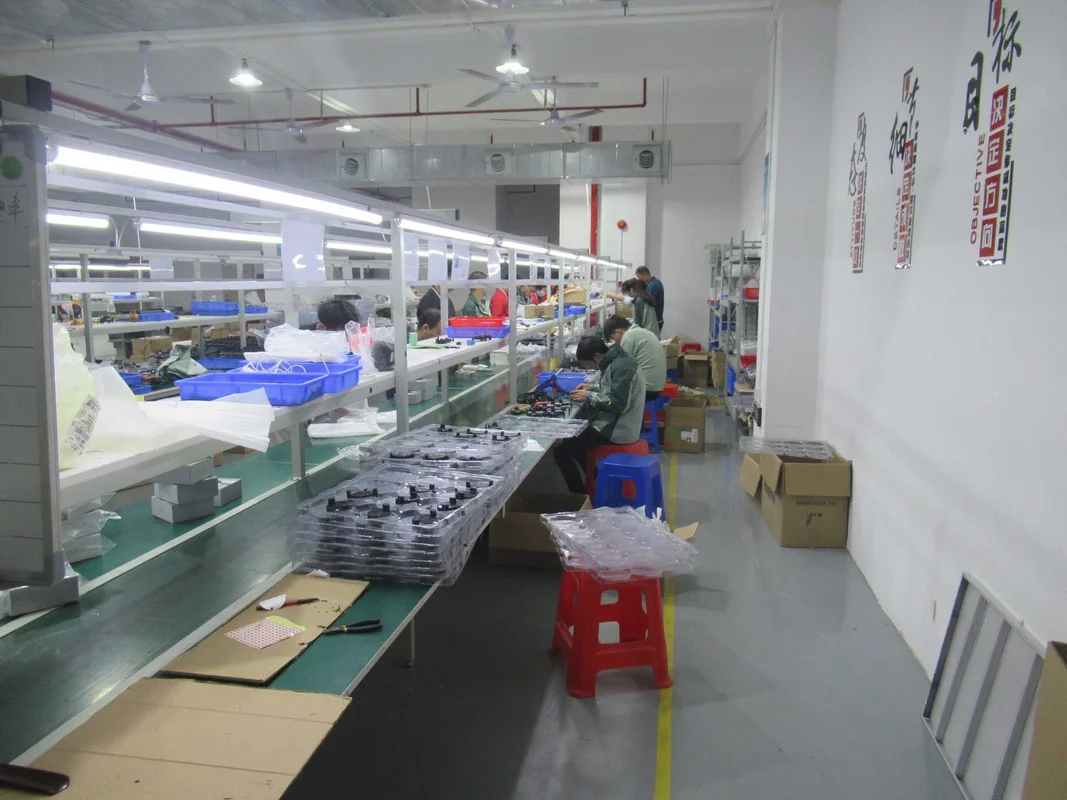
Automated production line for Qi2 certified wireless chargers with 50,000+ monthly capacity
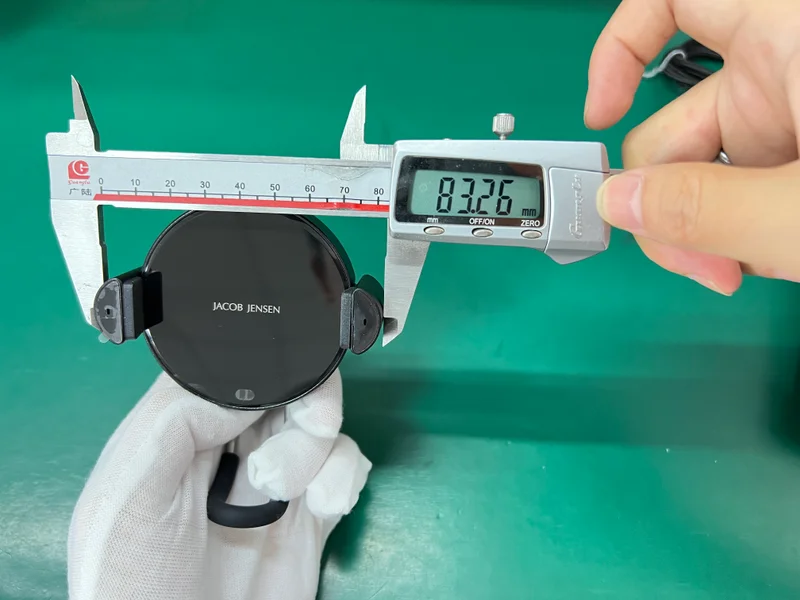
Strict quality inspection ensures every Qi2 charger meets WPC certification standards
4. Thermal Management in Magnetic Charging
Heat is the enemy of battery longevity and charging efficiency. Understanding thermal performance is critical when sourcing magnetic wireless chargers for your product line. Third-party thermal tests consistently show Qi2 running cooler than early Qi implementations due to precise magnetic alignment.
38-42°C
Average temperature
36-40°C
Average temperature
32-38°C
Average temperature
WOWOHCOOL Thermal Protection Features
- ✓NTC Temperature Sensing - Real-time monitoring
- ✓Thermal Shutdown - Auto cutoff at 45°C
- ✓Aluminum Shell Design - Enhanced heat dissipation
- ✓Smart Power Limiting - Reduces power when hot
- ✓Ventilation Design - Optimized airflow channels
- ✓18-Point QC Testing - Every unit thermal validated
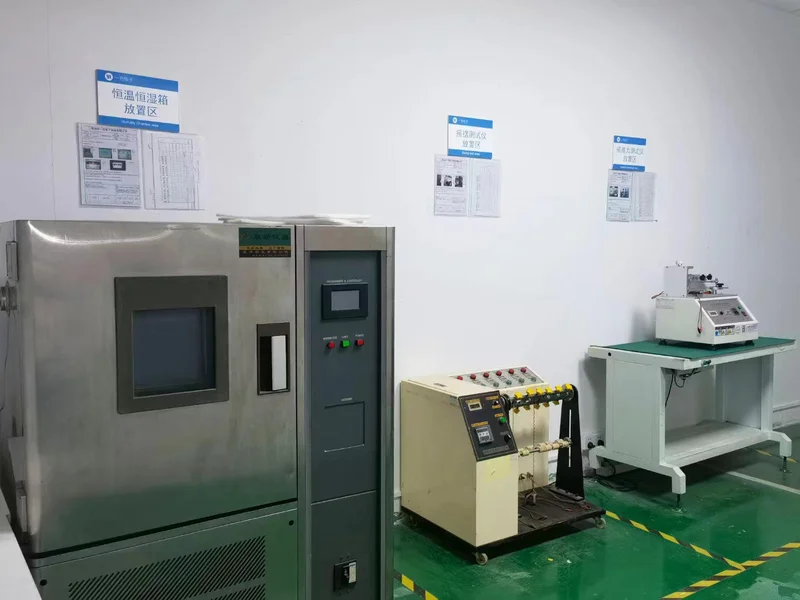
Rigorous thermal testing ensures safe operation at sustained high-power charging
Our Qi2 solutions use advanced NTC over-temperature protection and heat-dissipating housing designs to maintain optimal charging temperatures even at sustained 15W power delivery.
The practical implication for brands is straightforward: Qi2's superior thermal performance translates to safer products, longer battery life for end users, and fewer warranty claims. When evaluating supplier proposals, request thermal test reports specifically showing sustained charge temperature curves - this data reveals the true quality of the module design and cooling implementation.
5. Device Compatibility by Brand
Knowing which devices support each standard is essential for planning your product's target market. Here is the current compatibility landscape as of early 2026.
According to Counterpoint Research, over 60% of flagship smartphones shipped in 2025 support wireless charging, with Qi2 becoming the universal standard.
A key trend: every major Android phone launched in 2025-2026 has built-in Qi2 support. MagSafe stays exclusive to Apple's iPhone lineup. Qi2 chargers reach a device base roughly 3x bigger than MagSafe-only gear. The gap is growing as Android upgrades keep coming.
| Brand | MagSafe | Qi2 (MPP) | Max Speed |
|---|---|---|---|
| Apple iPhone | 15W (12+) | 15W (15/16) | 15W |
| Samsung Galaxy | No | 25W (S24/S25) | 25W |
| Google Pixel | No | 23W (Pixel 9) | 23W |
| Xiaomi | No | 30W (Mi 15) | 30W |
| Sony Xperia | No | Qi2 Ready | 15W |
6. Qi2 vs MagSafe: Future Roadmap & Market Outlook
The wireless charging landscape is evolving rapidly. Here is what brands should expect in the coming years as the Qi2 vs MagSafe dynamic continues to develop.
Qi2.1 Coming 2027
- ✓Standardized 50W wireless charging profile
- ✓100W capability for laptops and tablets
- ✓Improved FOD and thermal specifications
- ✓Backward compatible with all Qi2 devices
- ✓Multi-device charging standardization
MagSafe Evolution
- ✗Expected to remain at 15W for iPhones
- ✗Apple may introduce higher-power proprietary mode
- ✗MFi program continues as premium-tier option
- ✗Potential for enhanced data transfer over MagSafe
- ✗Ecosystem lock-in remains Apple's strategy
Market Adoption Forecast
| Year | Qi2 Device Penetration | MagSafe Device Share | Market Impact |
|---|---|---|---|
| 2026 | 35% of new devices | ~25% of active | Qi2 overtakes MagSafe in total addressable market |
| 2027 | 60%+ of new devices | ~22% of active | Qi2 becomes the dominant standard across all markets |
| 2028+ | 80%+ of new devices | ~18% of active | Qi2 as de facto global standard; MagSafe as Apple-only niche |
The data clearly points to Qi2 becoming the dominant wireless charging standard within the next 24 months. For brands launching new products, designing for Qi2 compatibility ensures relevance across the widest possible market. MagSafe remains a viable option for Apple-exclusive premium lines, but the volume opportunity increasingly lies with Qi2.
At WOWOHCOOL, we are investing heavily in Qi2.1 readiness, with our R&D team already working on 50W EPP prototypes and multi-coil array designs for the next generation of wireless charging products. Our engineering team is also developing dual-mode chargers that support both Qi2 and legacy Qi devices, ensuring backward compatibility for brands serving diverse customer bases across different markets and device adoption stages.
7. Qi2 vs MagSafe: Buyer Checklist for Wireless Chargers
Essential Verification Points
-
Qi2 Certification - Verify WPC database listing
-
MPP Module - Must use certified MPP coil
-
FOD Testing - Foreign object detection functional
-
Thermal Protection - NTC sensor present
-
Quality Certifications - CE, FCC, RoHS, REACH
-
Defect Rate - Request < 0.5% guarantee
Insider Tip
To truly support 15W on Qi2, your factory must use a certified MPP module. Beware of 'Magnetic Qi' chargers that only support 7.5W - they use standard Qi coils with added magnets, not true Qi2 MPP technology.
WOWOHCOOL FACTORY STAT
WOWOHCOOL is a Qi2 MPP-certified manufacturer with N52H neodymium magnets, offering 15W universal fast charging for both iPhone and Android. With wireless charging expertise since 2013, they produce 10+ form factors including 3-in-1 folding stations, car mounts, and premium zinc alloy docks.
Frequently Asked Questions
Does Qi2 work with old iPhones?
It is backward compatible with MagSafe-enabled iPhones (iPhone 13-15) but requires the latest iOS updates for optimal 15W speeds.
Is Qi2 as fast as MagSafe?
Yes, both support up to 15W. However, Qi2 is an open standard, making it more cost-effective for third-party accessory brands.
What is the difference between Qi2 MPP and MagSafe?
Qi2 MPP uses the same magnetic alignment as MagSafe but is open to all manufacturers. MagSafe requires MFi certification and royalties.
How do I get Qi2 certification for my product?
Certification requires joining the WPC (Wireless Power Consortium), submitting your product for compliance testing at an authorized lab, and passing MPP alignment, FOD, efficiency, and thermal tests. At WOWOHCOOL, we manage the entire certification process for OEM/ODM clients, from coil selection to final WPC listing —typically completed within 4-6 weeks from prototype approval.
Will Qi2 replace MagSafe in the future?
The two standards will likely coexist. MagSafe remains Apple's proprietary ecosystem with deeper iOS integration, but the new standard is rapidly gaining ground as the universal choice. For brands manufacturing third-party accessories, Qi2 offers the best balance of compatibility, cost, and future-proofing —especially as Android manufacturers adopt the standard across their flagship devices.
Which Android phones support Qi2 wireless charging?
As of 2026, Qi2 support is available on Samsung Galaxy S24 and S25 series, Google Pixel 9 series, Xiaomi Mi 14 and Mi 15 flagships, OnePlus 13 and 14, and Sony Xperia 1 VI and 1 VII. Most 2026 mid-range Android devices from these brands also include Qi2, making it the de facto standard across the Android ecosystem. The rapid adoption means that by late 2026, over 60% of new Android phones will ship with Qi2 support.
Need Qi2-Certified Chargers for Your Brand?
WOWOHCOOL offers the latest Qi2-certified wireless chargers with factory-direct pricing, custom branding, and global certifications. Get a quote within 24 hours.

Supply Chain Expert · Wireless Charging Specialist
Nina Nico is a supply chain management expert with 10+ years experience helping global B2B clients source quality wireless chargers from WOWOHCOOL —a premium charging solution specialist in Shenzhen, China with 47+ Qi-certified models. She holds a degree in International Trade and is a certified supply chain professional (CSCP), with deep expertise in Qi2, GaN, and semi-solid-state battery manufacturing.